About Test tubes and test tube racks
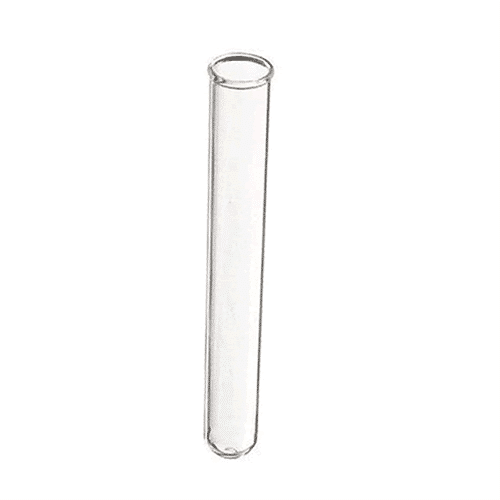
Test tubesare usually cylindrical pipes made up of glass, with a circular opening on oneside and a rounded bottom on the other. They come in different sizes but themost common standard size is 18*150 mm.
Test tubesare one of the most important apparatus as they are functional from storing tomixing reagents in any chemical or biological reactions. They become very handywhen a large number of samples need to be tested for qualitative assessment ofany test.
The testtube rack is the equipment functional in holding the test tubes.
Resilient Construction for Reliable UseThe test tubes are constructed from borosilicate glass, ensuring chemical resistance and heat durability, making them suitable for repeated laboratory usage, including heating and mixing tasks. The racks, made of polypropylene or PVC, are designed for long-lasting performance and feature a polished, anti-slip base for stability during experiments.
Versatile and Efficient OrganizationSingle, double, or triple tier rack designs facilitate organized storage and access to multiple test tubes. The stackable design enables space-saving storage, while the racks' compatibility with various tube diameters accommodates different experiment requirements. Designed for ease of use in high-throughput labs, schools, or research facilities.
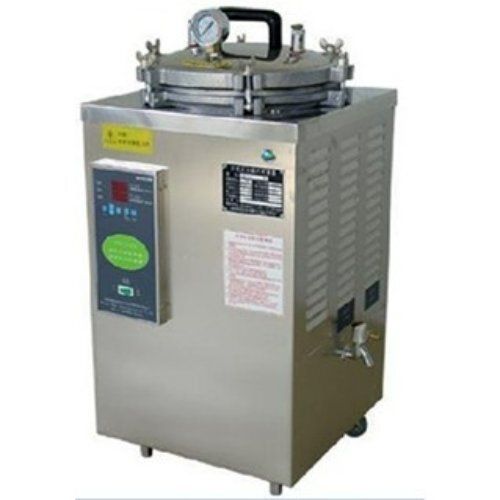
Easy Cleaning and Sterilization ProcessBoth the test tubes and racks are fully autoclavable for effective sterilization at 121C. The racks are also dishwasher-safe, streamlining cleanup and ensuring hygienic conditions after each use. Tubes may be cleaned manually or in an autoclave, maintaining glass clarity and functional integrity for repeated use.
FAQ's of Test tubes and test tube racks:
Q: How do I sterilize the test tubes and racks before use?
A: Both test tubes and racks can be autoclaved at 121C. The racks are also dishwasher-safe for regular cleaning, while test tubes can be cleaned manually or via autoclaving to ensure they are free from contaminants.
Q: What sizes of test tubes and racks are available?
A: Test tubes are available in 15 x 150 mm and 18 x 150 mm dimensions, compatible with rack slots designed for 15-20 mm diameters. Racks come in single, double, or triple tier options, typically measuring 210 x 70 x 60 mm and can hold 12, 24, or 36 test tubes.
Q: Where can these test tubes and racks be used?
A: They are suitable for use in schools, colleges, hospitals, R&D laboratories, and industrial labs for chemical analysis, sample storage, and a wide range of laboratory experiments.
Q: What is the chemical and temperature resistance of these products?
A: The borosilicate glass test tubes withstand temperatures up to 400C and resist acids, alkalis, and organic solvents. The polypropylene or PVC racks are resistant to common chemicals and can endure up to 120C, making them ideal for diverse laboratory conditions.
Q: How does the anti-slip base on the racks benefit laboratory work?
A: The anti-slip base enhances safety by keeping the rack stable on the lab bench, reducing the risk of accidental spills or breakage during experiments.
Q: What is the process for cleaning after handling hazardous chemicals?
A: After handling hazardous substances, rinse the test tubes and rack thoroughly under running water, use a suitable laboratory detergent, and then either autoclave or run the rack through a dishwasher to ensure complete decontamination.
Q: Can these racks and tubes be stacked for storage, and is there any loss of function?
A: Yes, the racks are designed to be stackable, saving laboratory space without compromising their ability to securely hold and organize test tubes when in use.







 Get Latest Price


 Send Inquiry

 Send Inquiry
 Send SMS


